ULM Partners with Local Communities, Strengthens Kotabaru Mangrove Conservation
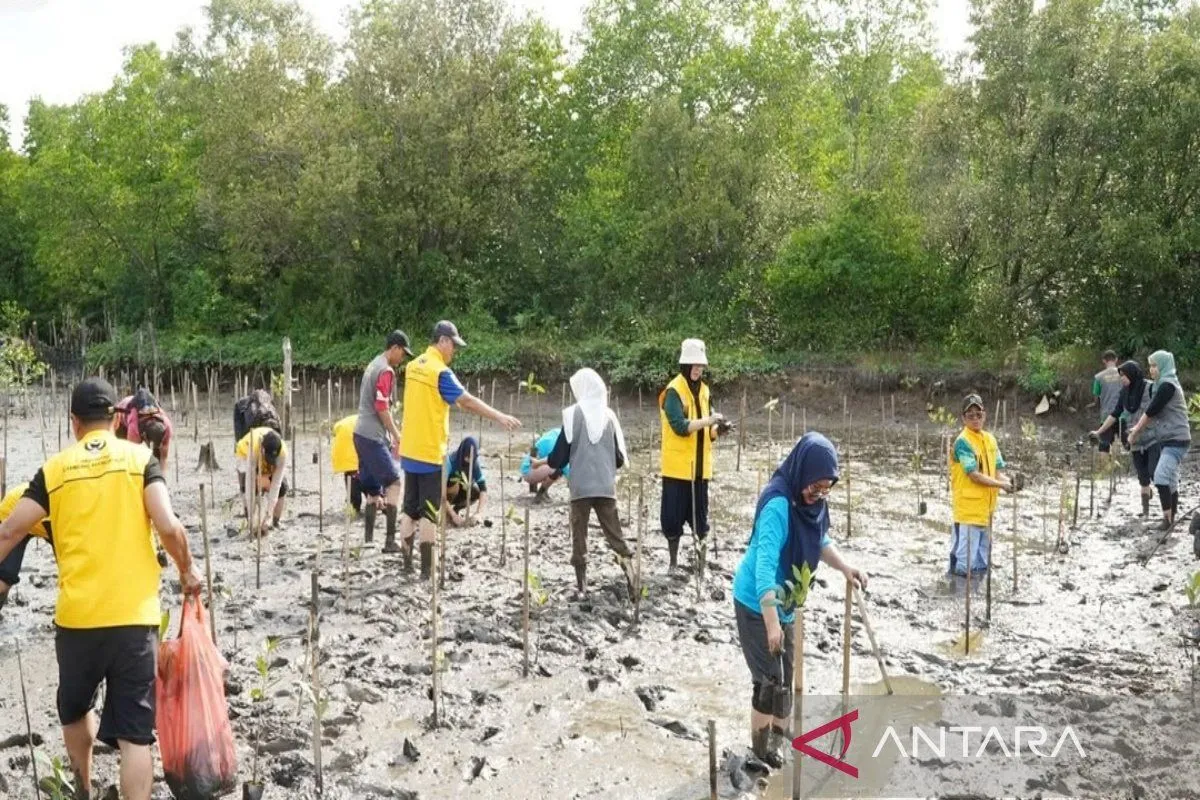
Banjarbaru – Lambung Mangkurat University (ULM) continues to strengthen its role in environmental conservation by involving local communities in a sustainable mangrove conservation program in Kotabaru Regency, South Kalimantan.
This effort is part of ULM’s partnership program with communities in six villages, namely Kemuning Village, Tanjung Pelayar Village, Tanjung Sungkai Village, Tanjung Tengah Village, Teluk Tamiang Village, and Kampung Baru Village. This program aims to optimize the preservation of mangrove ecosystems through a community-based approach.
Dean of the Faculty of Forestry ULM, Prof. Kissinger, explained that community involvement is the key to the effectiveness of mangrove conservation.
“With the active participation of residents, mangrove conservation can run more effectively and sustainably,” he said in Banjarbaru, Thursday (4/24).
According to Kissinger, the community can contribute to various activities, such as planting mangrove seedlings, monitoring illegal activities, and educating about the importance of mangroves for coastal ecosystems. In addition, they are also involved in the decision-making process through joint discussions with the government and related companies.
As part of a long-term conservation strategy, Kissinger emphasized the importance of supporting policies, including a moratorium on converting mangroves for other uses such as ponds or plantations. He also emphasized the need for sustainable rehabilitation of damaged mangrove areas.
“Conservation is not enough just by planting, but must be accompanied by a commitment to long-term protection and strong policy support,” he added.
Since 2024, ULM has officially managed around 611 hectares of mangrove land in the Kotabaru production forest area, after obtaining a Letter of Approval for Forest Utilization Business Permit Commitment (PBPH) from the Ministry of Environment and Forestry.
With this management, ULM has recorded an achievement as the only university in the world that owns and manages a mangrove area. This is in line with ULM’s vision to become the Center of Excellence for Wetlands in the Asia Pacific region by the end of 2027.
Through this collaborative approach, ULM not only strengthens its contribution to environmental conservation, but also empowers coastal communities to be at the forefront of maintaining the sustainability of the mangrove ecosystem.