• Penghargaan
  • Akreditasi ULM
  • Blog Dosen ULM
  • INFO PMB ULM
    • SNMPTN 2020
    • UTBK-SBMPTN 2020
    • Seleksi Mandiri 2020
    • Beasiswa KIP-Kuliah
  • Brosur/Leaflet ULM
  • Indonesia
ULMULM
  • Home
  • Profile
    • Vision, Mission, Goals, Targets & Achievement Strategies
    • Organizational structure
    • Management
      • Executive Board
      • Senate Board
      • Leaders of Faculties, Institutions and UPT
    • History
    • Meaning of the ULM Coat of Arms
    • Motto, Flag, Hymn & Mars
    • Duties, Functions and Complete Addresses of Faculties, Postgraduates, Institutions and UPT
  • Bureau
    • Academic and Student Affairs
    • General and Finance
    • Planning, Collaboration and Public Relations
  • Faculty
    • Teacher Training & Education
    • Economy & Business
    • Law
    • Social science and political science
    • Mathematics and natural science
    • Fishery & Marine
    • Forestry
    • Agriculture
    • Engineering
    • Medical
    • Dentistry
    • Postgraduate
  • SAKIP
    • Performance Planning
      • Strategic Plan
      • Development Master Plan
      • Annual Performance Plan
      • Performance Agreement Document
      • Action plan
    • Performance Measurement
      • Annual Performance Achievements
    • Performance Reporting
      • Accountability Report
    • Performance evaluation
      • SAKIP evaluation
  • Satisfaction Survey
    • Unduh Survei

Berita

  • Home
  • Blog
  • Berita
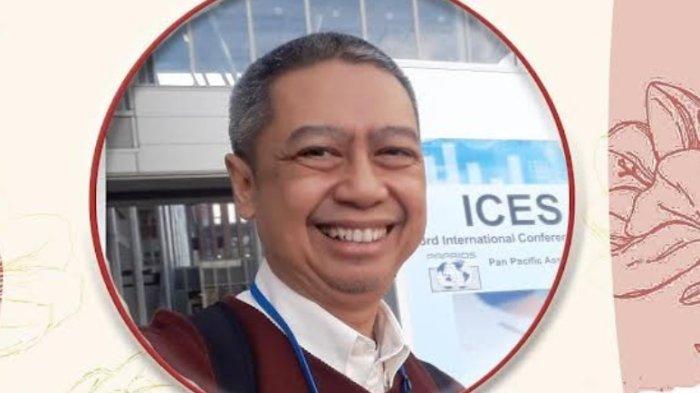
  • Prof. Handry Imansyah: Stopping Imports of Commodities in 2025, a Strategic Step and Its Challenges
Prof. Handry Imansyah: Stopping Imports of Commodities in 2025, a Strategic Step and Its Challenges

  • Posted by Humas ULM
  • Categories Berita
  • Date 11 December 2024

BANJARMASIN – The government’s plan to stop importing a number of important commodities in 2025 is considered a strategic step to strengthen national food independence. This was expressed by Prof. Handry Imansyah, Lecturer at the Faculty of Economics and Business, Lambung Mangkurat University (ULM), who assessed that the policy is in line with Indonesia’s great potential in the agricultural and natural resources sectors.

According to Prof. Handry, this policy must be supported by the readiness of infrastructure, technology, and increased local production capacity to ensure that domestic needs are met without sacrificing quality or quantity.

“This step is relevant, but Indonesia’s high dependence on imports shows that there are still significant challenges in the local agricultural sector,” he explained.

In the short term, stopping imports could trigger an increase in food prices due to local supplies that are not yet ready. This also risks triggering inflation and reducing people’s purchasing power. Industries that depend on imported raw materials, such as animal feed and food, also have the potential to face operational disruptions.

However, in the long term, this policy is believed to be able to encourage food security and economic independence if accompanied by increased agricultural productivity and strengthening of distribution infrastructure. “Without thorough preparation, regional disparities in meeting food needs can occur,” added Prof. Handry.

Prof. Handry said that there are several things that need to be considered by the government so that this policy is successful, including:

  1. Strengthening Local Production Capacity by ensuring the availability of stable supplies.
  2. Improving Distribution Infrastructure by ensuring access to all regions, especially remote areas.
  3. Price Stabilization with the aim of protecting consumers and farmers from price fluctuations.
  4. Incentives for Local Industry that focus on supporting industries that use local raw materials.

In addition, the community also needs to adapt to price changes and support the consumption of local products as part of a collective effort to achieve national food security. Food diversification is another solution to reduce pressure on certain commodities.

Although a total cessation of imports is difficult to achieve in the near future, Indonesia can gradually reduce dependence on imports by increasing local productivity.

Prof. Handry emphasized, “This is a long-term investment for the future of the nation, but it requires thorough preparation from all parties—government, society, and industry.”

This plan to stop imports is a momentum to encourage the transformation of the food and agricultural sector towards sustainable independence.

  • Share:
Humas ULM

Previous post

dr. Nanang Miftah Fajari, Sp.PD, K-EMD, FINASIM Creates Innovation in Banjar Local Rice Processing for Diabetes Management
11 December 2024

Next post

PSKep FKIK ULM Holds Social Service, Health Education in Sungai Alang Village
11 December 2024

You may also like

b563c321-04d2-4c1e-902d-002d3fa476ce-1536×864
ULM and KP2MI Agree to Establish Migrant Center: Creating Competent Migrant Workers from Campus
29 April, 2026
WhatsApp-Image-2026-04-27-at-10.17.53-AM
Gastin Gabriel Jangkang Represents Indonesia and ULM in the “SCORE” Research Exchange Program in Tunisia
27 April, 2026
WhatsApp Image 2026-04-23 at 10.25.40 AM (1)
ULM Enters the National Top 15 by the 2026 AD Scientific Index, the Best in Kalimantan
23 April, 2026

Pengumuman Terbaru

ULM Office Inventory Auction Due to Fire
08Jan2026
Open Recruitment – Public Relations Volunteers
02Jan2026
Postponement of Administrative Selection and Interview Results
23Dec2025
Recruitment of Academic and Educational Personnel
11Dec2025

Lembaga & UPT

  • Career Development and Entrepreneurship Support Unit
  • Guidance and Counseling Support Unit
  • Information and Communication Technology Support Unit
  • Institute for Quality Assurance and Learning Enhancement
  • Institute for Research and Community Service
  • Integrated Laboratory Support Unit
  • Language Support Unit
  • Lembaga Penjamin Mutu
  • Library Support Unit
  • Wetland Environment Support Unit

Tautan

  • Career Development Center
  • Kawasan Hutan Dengan Tujuan Khusus
  • LPSE
  • Pusat Pelayanan Asesmen Kompetensi
  • Pusat Penelitian Lingkungan Hidup
  • Pusat Pengelolaan Jurnal & Penerbitan
  • Pusat Pengembangan Infrastruktur Informasi Geospasial
  • Pusinotekom Hutan dan Lahan Basah
  • Technology Business Incubator (IBT)
  • Tim Pakar Percepatan Penanganan Covid-19 ULM
  • Unit Konsultasi dan Pelayanan Psikologi

Kontak Kami

Jl. Brigjen H. Hasan Basri, Kayu Tangi, Banjarmasin, Indonesia, Kotak Pos 219

Pusat Informasi dan Pelayanan Terpadu:

(0511) 3306671, 3306603, 3304177, 3306694

[email protected]

Copyright ©2019 Universitas Lambung Mangkurat

  • IKA
  • Peta Kampus