Pediatrician Study Program Holds Seminar for Hemophilia Patients and Companions
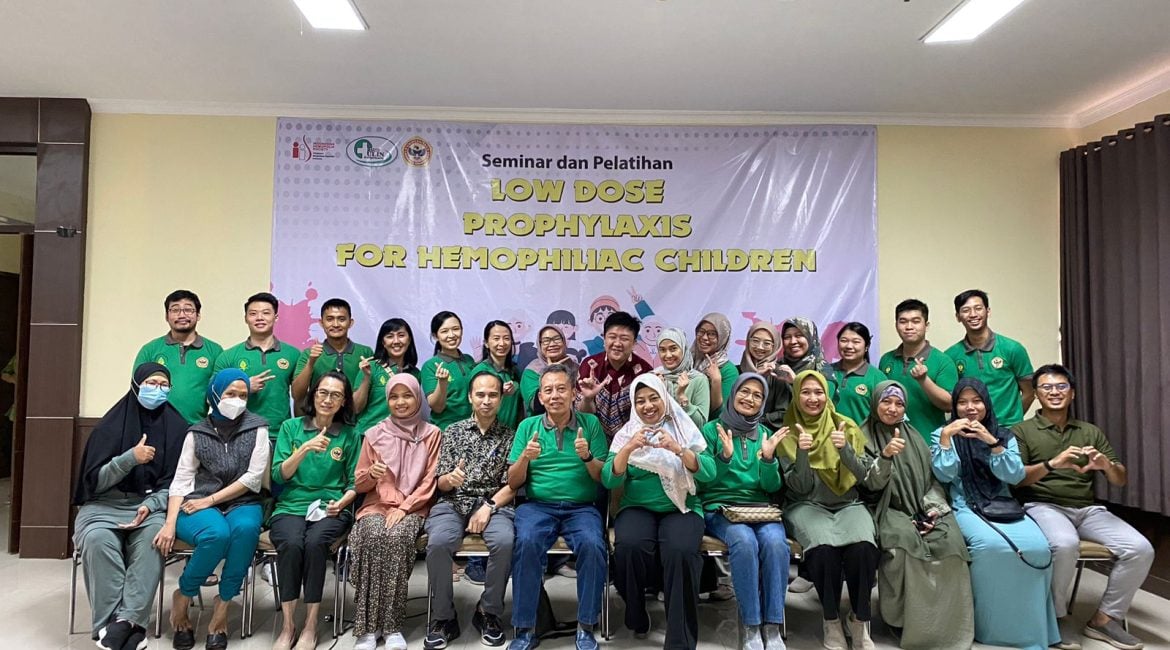
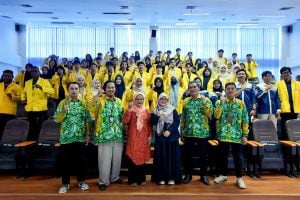
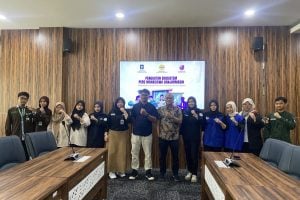
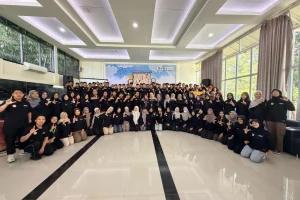
Banjarmasin – Pediatric Hematology-Oncology, Pediatric Specialist Education Study Program, Faculty of Medicine, Lambung Mangkurat University (FK ULM) in collaboration with the Asylum Ananda Foundation held a general seminar on Sunday (12/11/2023). The general seminar entitled “Examination of the Quality of Life of Patients with Hemophilia” was successfully held in the Children’s KSM Hall at Ulin Hospital, Banjarmasin.
This event was opened by the head of the Department of Health Sciences, Faculty of Medicine, ULM, Prof. Dr. Dr. Edi Hartoyo, Sp.A(K) and chaired by Dr. Wulandewi Marhaeni, Sp.A(K). Together with Dr. Ratih Kumala Sari, M.Ked, Clinic from the Pediatric Hematology-Oncology Division together with pediatric residents and secretarial staff from the Hematology-Oncology Division and IKA Study Program, this event was arranged so that it could be carried out smoothly.
Not only was it attended by staff from the IKA Department of FK ULM, Hematology-Oncology nurses at Ulin Hospital, residents from other study programs within FK ULM, this event also invited Hemophilia patients at Ulin Hospital. Patients aged 1-17 years attended accompanied by their parents, siblings and family.
The presence of the patients and their companions made this general seminar feel warmer. This is because these patients are patients who regularly come for examinations and take prescriptions for medicine at Ulin Hospital, so they often meet and form close relationships between fellow patients and even between patients and doctors.
Hemophilia patients who come accompanied by their parents are asked to fill in their biodata, then their weight and height are measured, and then the participants are examined at the next stage, namely the Fish and PEDSQL examinations.
- FISH examination
The Functional Independence Score in Hemophilia (FISH) examination is a performance-based examination to measure an individual’s functional abilities objectively. The FISH method is a method used by WFH (World Federation of Hemophilia) to measure what people with disabilities actually do, not what they should be able to do or what they might be able to do if their circumstances were different or what they think they can do. This method can also be used to evaluate changes in functional independence over time or after therapeutic interventions.
- PedsQL Check
Pediatric Quality of Life (PedsQL) is a questionnaire used to assess children’s quality of life. The aim of this questionnaire is to compare the quality of life of children with cancer based on parent and child assessments, as well as assessing the quality of life of children with blood cancer.
Examinations using the PedsQL instrument are divided into 3 age categories, namely ages 4 – 7 years, ages 8 – 12 years and ages 13 – 16 years.
Apart from examinations, parents and families also received education about hemophilia, with a resource by Dr. Wulandewi Marhaeni, Sp.A(K) and the Hematology-Oncology nurse at Ulin Regional Hospital, namely Ayu Susanti, S.Kep. NS.
As a doctor who treats hemophilia patients, Dr. Wulan, Sp.A(K) explained that caring for hemophilia patients at home is important in managing hemophilia. This is because home treatment can increase direct access to clotting factors so that initial management is optimal. The result is reduced pain, long-term dysfunction and disability, as well as reduced hospitalization rates due to complications. In addition, home care can give patients the freedom to travel, participate in physical activities, increase attendance. Home treatment must be carried out under the supervision of an integrated hemophilia service team, and carried out after receiving adequate training and education.
Hemophilia is a congenital bleeding disorder where the blood does not clot properly, hemophilia sufferers have low levels of factor VIII: Hemophilia A or low levels of factor IX: Hemophilia B. The severity of hemophilia is determined by the number of factors in the blood.
The mortality rate for hemophilia sufferers is higher than the mortality rate in the general population due to inadequate care throughout the patient’s life (for example, limited treatment, HIV/AIDS, HBV and HCV). By holding this general seminar, it is hoped that it can provide better education to patients and companions of hemophilia patients regarding the care of hemophilia patients. The following is a comparison of hemophilia cases:
- 17.1/100,000 men for hemophilia A
- 6.0/100,000 men for severe hemophilia A
- 3.8/100,000 men for hemophilia B
- 1.1/100,000 men for severe hemophilia B