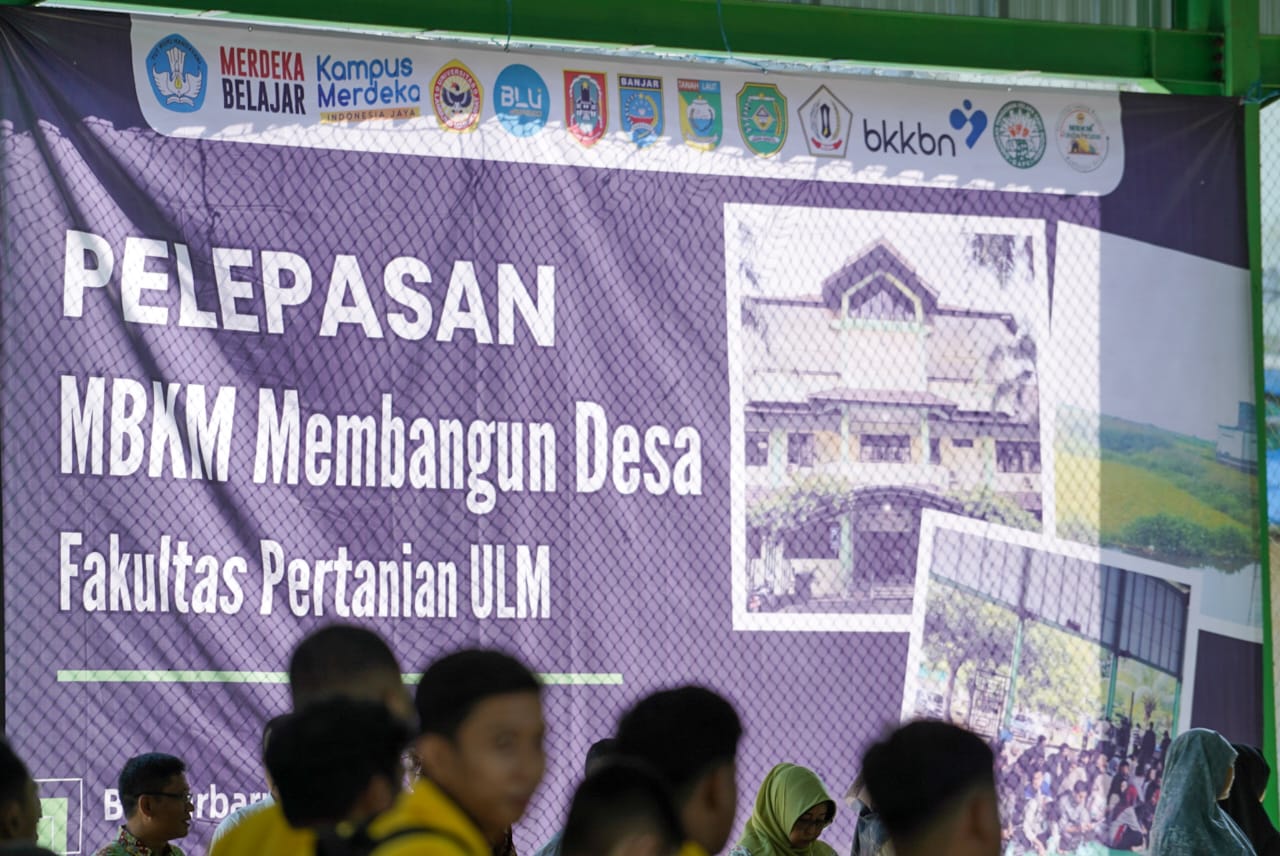
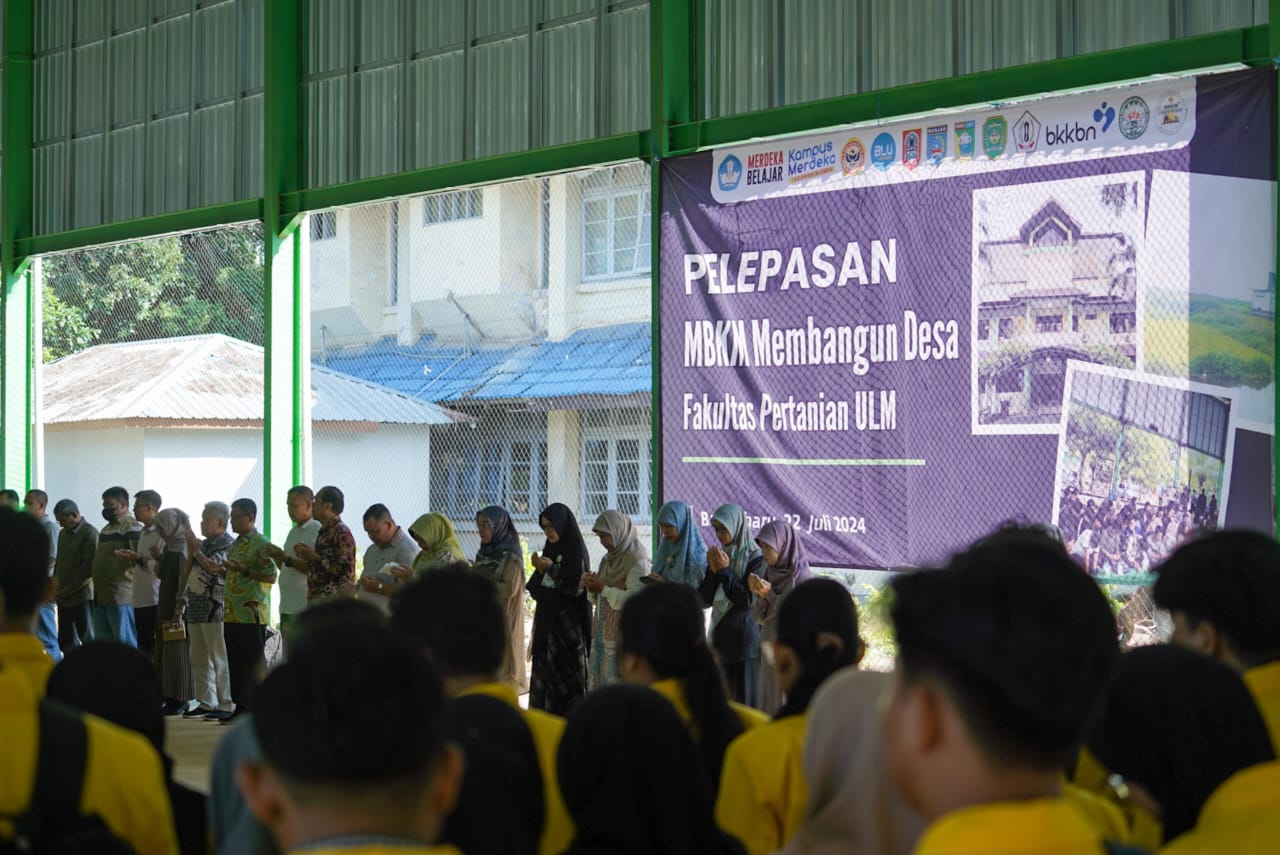
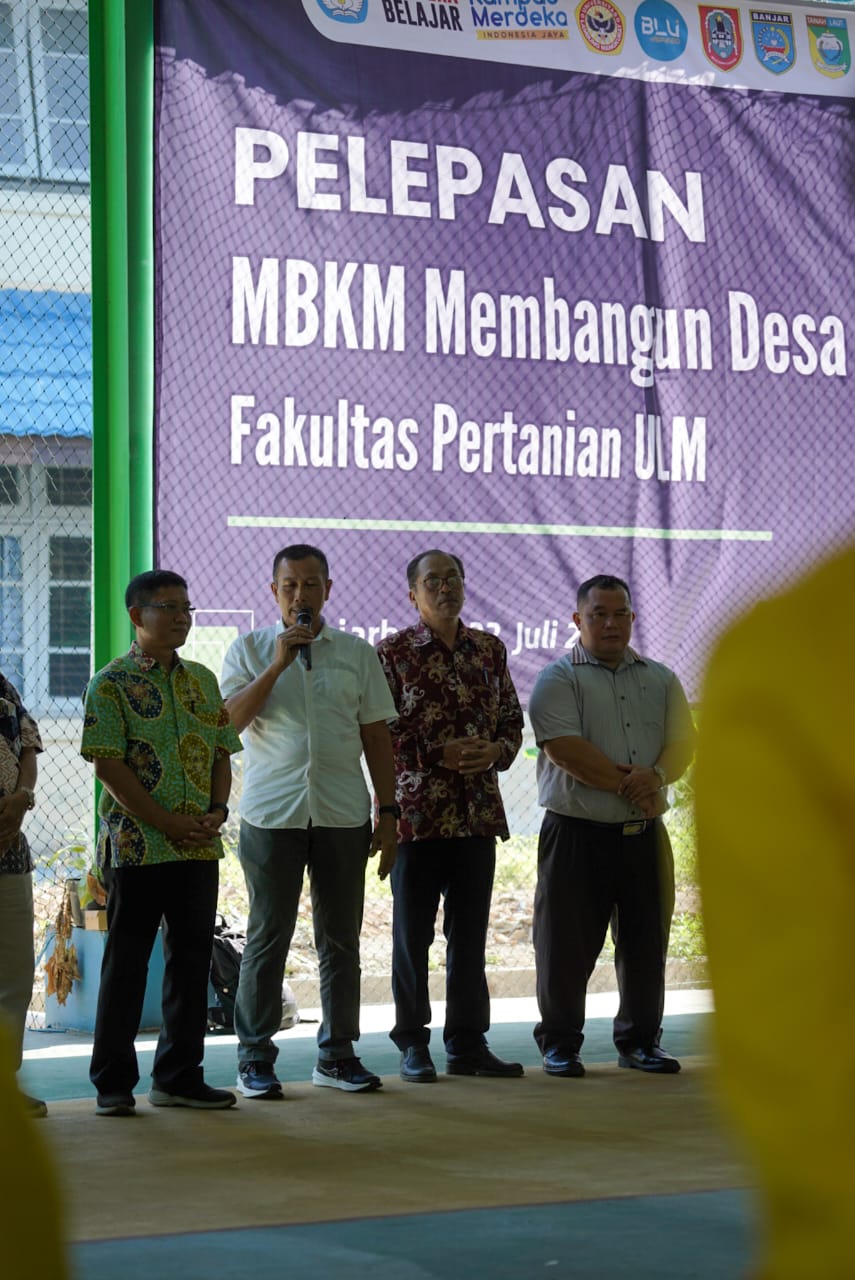
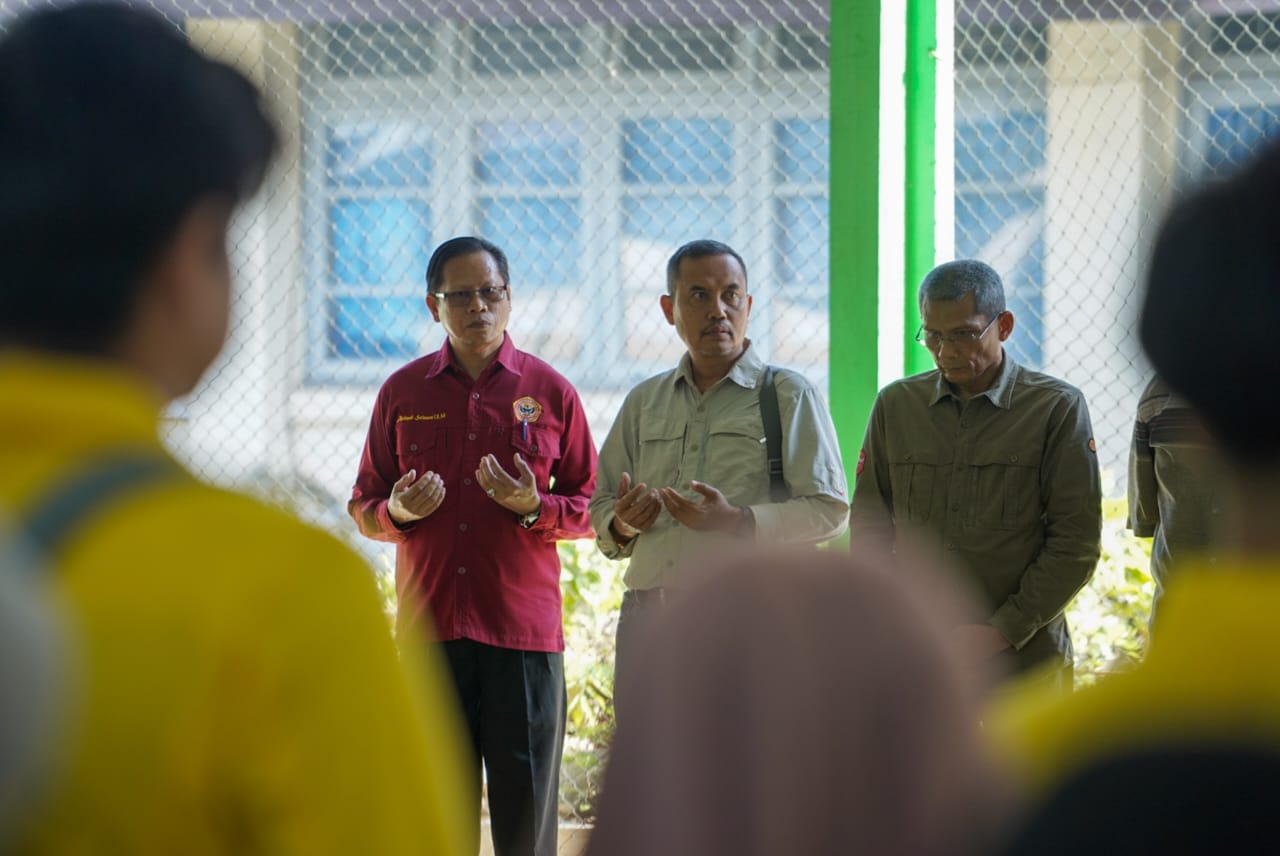
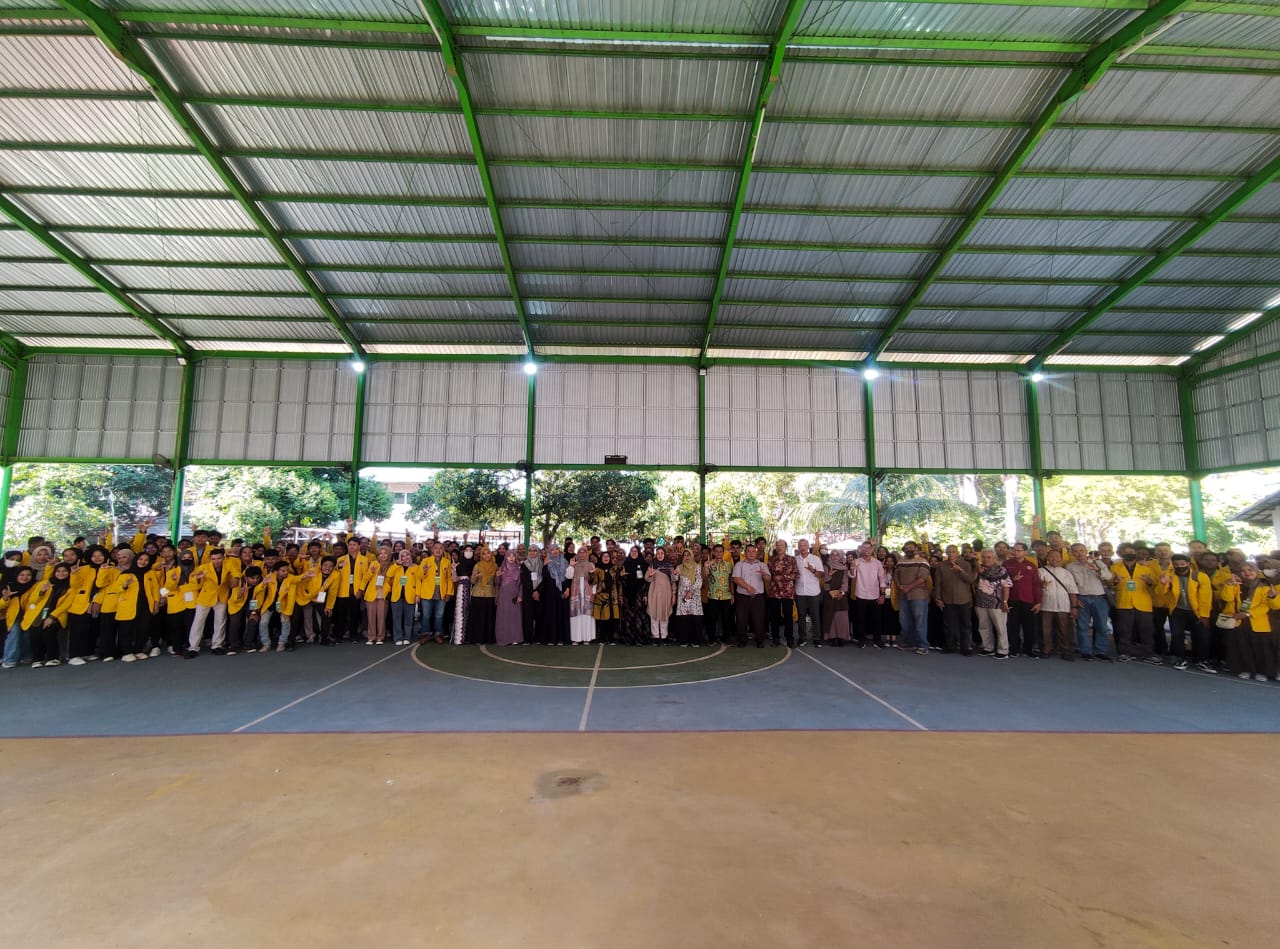
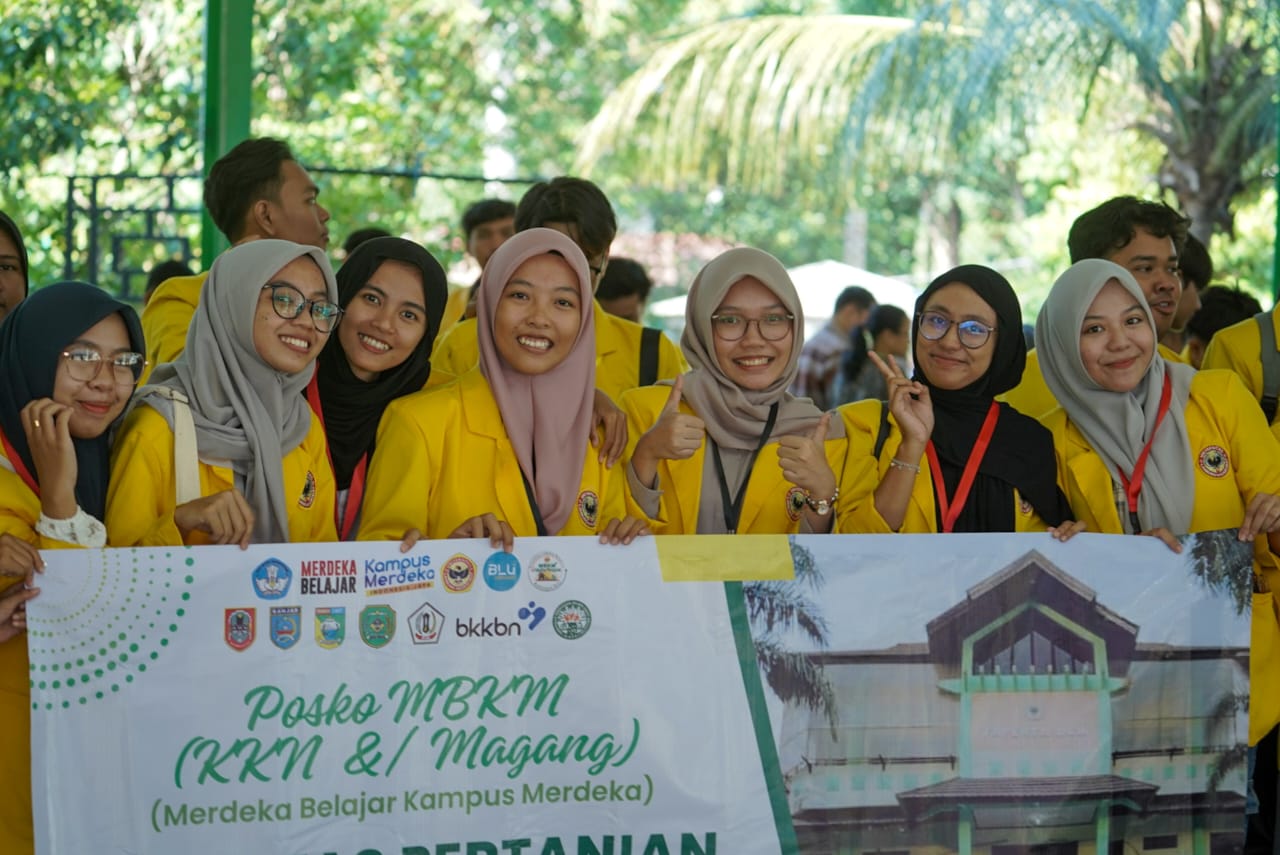
Banjarbaru – The release of students for the MBKM Independent Learning Village Program (KKN – Internship – Recognition) was carried out by the ULM Faculty of Agriculture on Monday (22/7/2024). The activity was directly led by the Vice Dean for Academic Affairs, Faculty of Agriculture, Dr. Ika Sumantri carries the theme “Together with the Faculty of Agriculture, ULM, Building Villages” and is implemented with 3 implementation schemes, namely:
KKN and Recognition Courses
Internships and Recognition
KKN, Internships, and Recognition
A total of 225 students will be deployed to the field where they will carry out KKN activities which will be carried out in 4 different districts, namely Banjar, Tapin, Batola and Tanah Laut districts.
This activity is also supported by relevant stakeholders including the South Kalimantan Branch of GAPKI, South Kalimantan Province BKKBN, South Kalimantan Province Agriculture and Food Security Service, the Agriculture Service of each district where MBKM activities are carried out and the Tala Regency Youth and Sports Department.
“We are collaborating with palm oil companies under GAPKI, South Kalimantan, for schemes 2 and 3 to become apprentices under palm oil companies in GAPKI, there are 51 students or 10 groups, for recognition KKN or scheme 1 it is implemented in the 4 districts and cooperate with one of which is the BKKBN, the South Kalimantan Agriculture and Food Defense Service and also the Agriculture Service in the 4 districts,” said Committee Chair Rifiana, S.P., M.P.
In line with this, it is hoped that the presence of Faculty of Agriculture students can also contribute to creating possible opportunities in the agricultural sector in areas where students are active to improve the welfare of the community.
One of them is the opportunity to manage oil palm land. The collaboration that has been carried out by ULM, especially the Faculty of Agriculture, with GAPKI is a means to implement this MBKM activity. The Chairman of GAPKI also welcomed this MBKM activity and hoped that it would have a positive impact on the welfare of the people in the region.
“Thank God, this activity is very good for students, because palm oil is very promising, and in terms of welfare it is very good,” said the Chair of GAPKI
Not only that, the opinion of one of the Animal Husbandry Study Program students in his interview stated that this activity was also a means for them to be able to implement the knowledge they learned while studying on campus and carry out work programs according to the knowledge they mastered.
“There are several work programs being prepared, one of which is on grazing, namely planting feed for livestock there,” she said.
It is hoped that through this MBKM activity, students can gain experience that is useful for increasing competence and socializing in society through the knowledge and knowledge gained during lectures on campus.